
The Art of Digital Design: Bringing Your Ideas to Life
GS
The Foundation of Digital Design
Digital design is an ever-evolving field that combines creativity with technology to bring ideas to life. At its core, it involves using software tools and techniques to create visual content that communicates a message or solves a problem. Whether you're designing a website, an app, or a piece of digital art, the principles of design remain consistent.
A strong foundation in the basic principles of design, such as balance, contrast, and alignment, is crucial. These principles guide designers in creating visually appealing and effective designs. Understanding these elements allows designers to create harmonious and engaging compositions.
The Role of Technology in Digital Design
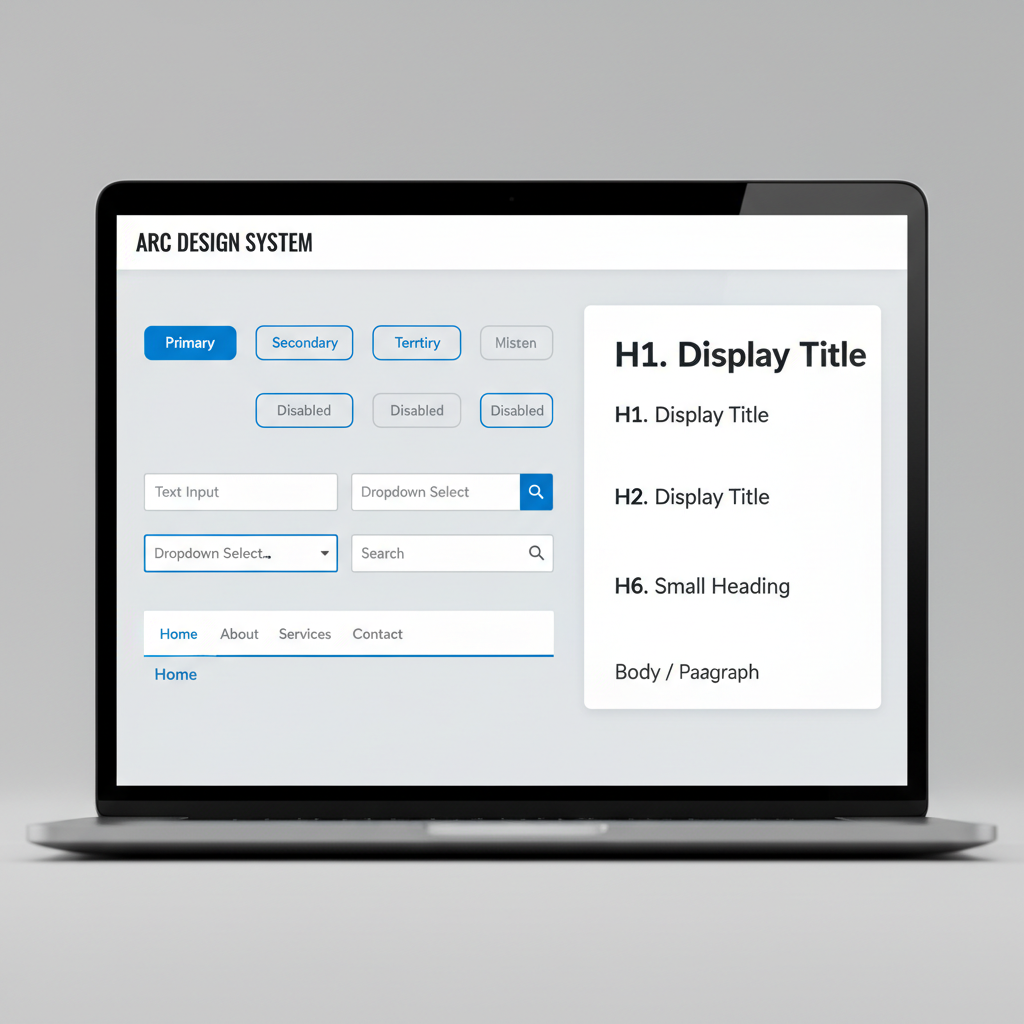
Technology plays a significant role in digital design, offering designers a wide array of tools to bring their visions to life. Software like Adobe Creative Suite, Sketch, and Figma provides powerful capabilities for crafting intricate designs. These tools allow for endless creativity, enabling designers to experiment with different styles and techniques.
Moreover, advancements in technology have introduced new mediums such as virtual reality (VR) and augmented reality (AR), expanding the possibilities of digital design. Designers can now create immersive experiences that engage users in innovative ways.
From Concept to Creation
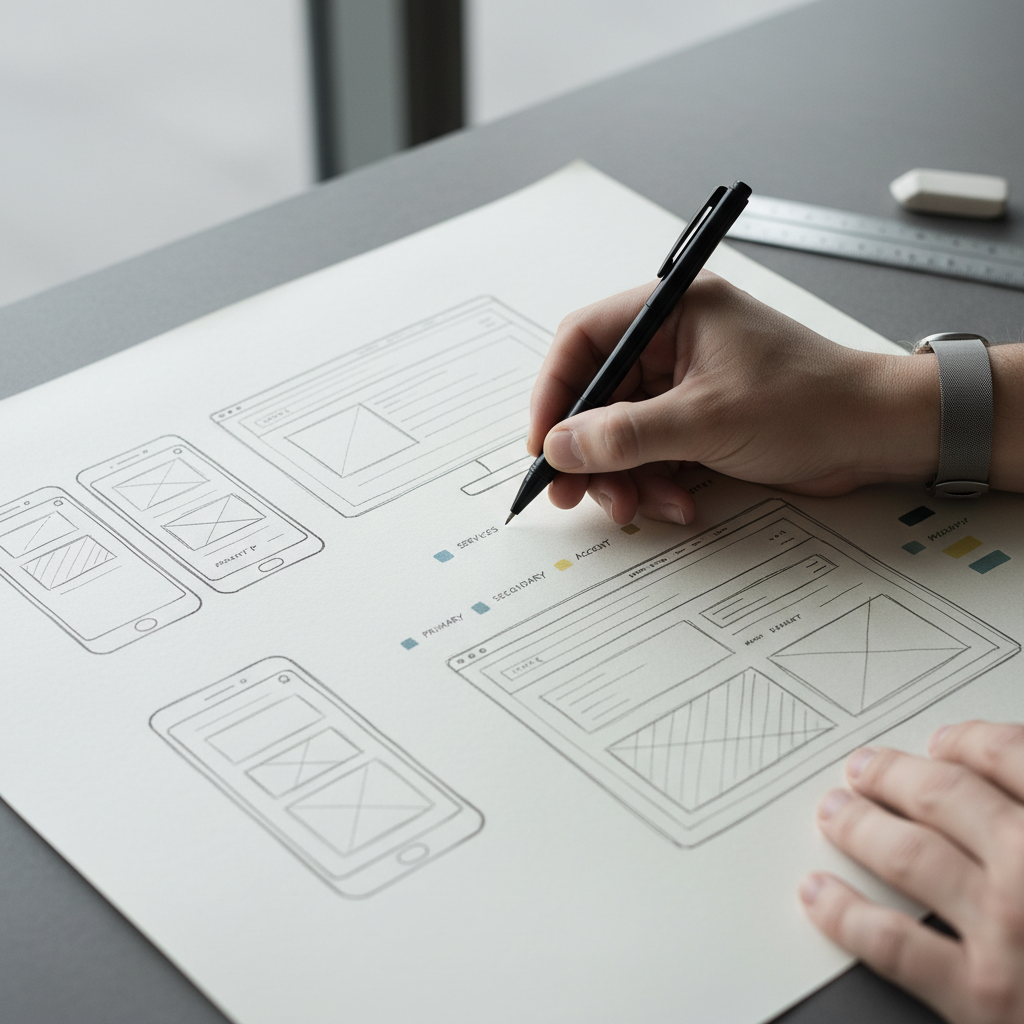
The process of digital design begins with a concept. This involves brainstorming and sketching out ideas to form a clear vision of the final product. The ideation phase is critical, as it sets the direction for the entire project.
Once a concept is established, designers move on to wireframing and prototyping. This stage involves creating a blueprint of the design, which helps in visualizing the layout and functionality. Prototyping tools enable designers to test interactions and gather feedback before finalizing the design.
Collaboration and Feedback
Collaboration is a key aspect of the digital design process. Designers often work closely with clients, developers, and other stakeholders to ensure the design aligns with the project goals. Regular feedback is essential to refine and improve the design, ensuring it meets the desired objectives.
Using collaborative tools like Slack, Trello, or Asana can streamline communication and project management, making it easier to track progress and implement changes effectively.
The Final Touches
The final phase of digital design involves adding the finishing touches. This includes refining details, ensuring consistency, and optimizing the design for different devices. Designers need to consider factors such as color schemes, typography, and imagery to create a cohesive and impactful design.

In conclusion, the art of digital design is a dynamic and rewarding process that blends creativity with technical skill. By understanding the principles of design, leveraging technology, and fostering collaboration, designers can bring their ideas to life in exciting and innovative ways.